
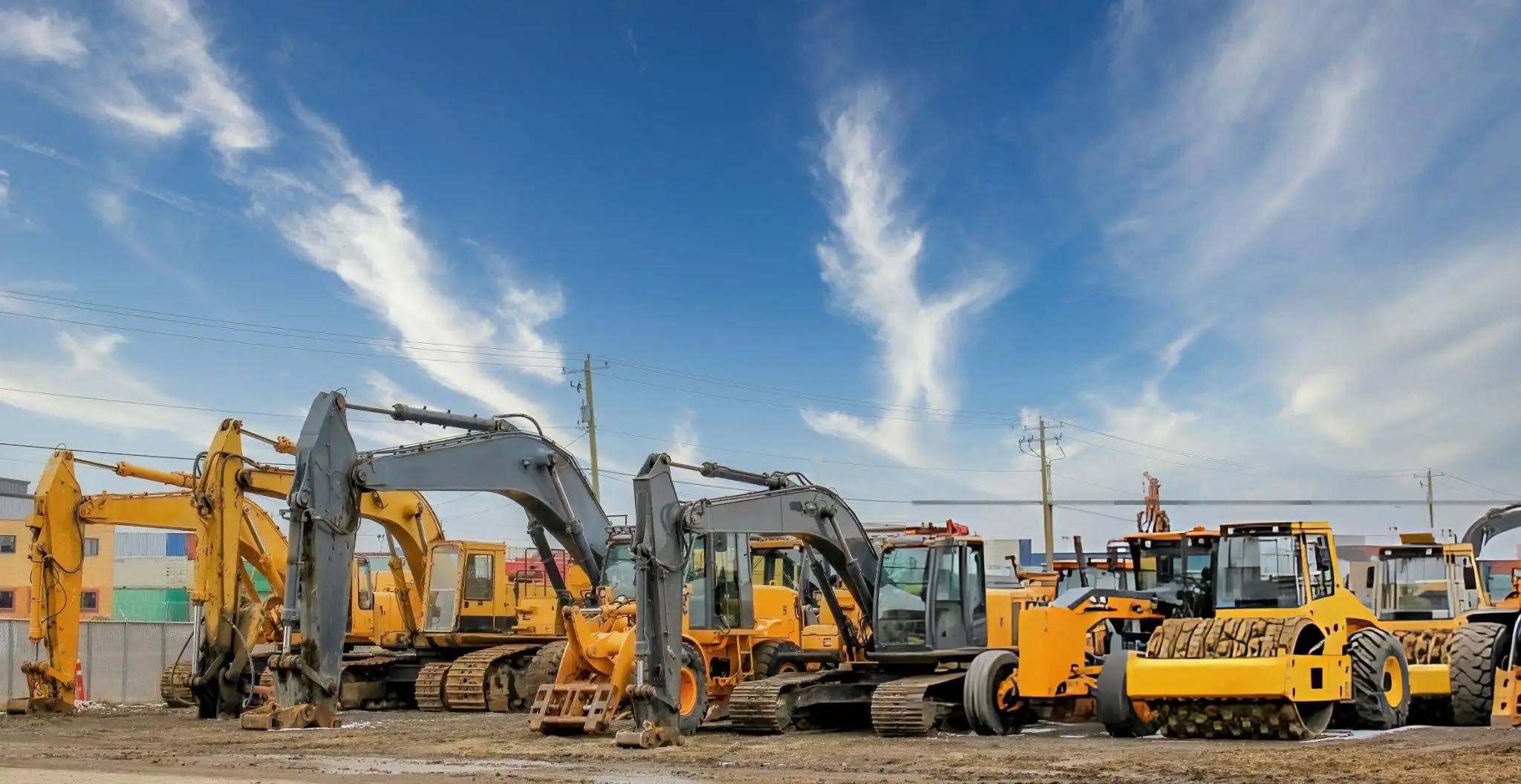
Modern-day warehouses are no longer simply huge storage facilities; instead, they have become the very core of the supply chain, e-commerce firms, manufacturing industries, and even distribution centers. If you wish to make your warehouse function properly, then you need proper warehouse equipment like machinery, tools, and management systems, which will ensure higher efficiency of your processes and cost reduction as well. Whether you are planning to set up your warehouse from scratch or upgrade an existing facility, having proper warehouse equipment will be highly beneficial.
It does not matter whether it is a forklift, telehandler, racking, loading, or inventory system; each type of equipment plays its own particular role. By opting for the right equipment, you will not only reduce accidents and save space in your warehouse but also increase the speed at which orders are processed. The complete warehouse equipment list will cover all the required machinery and tools.
Key Takeaways
Here is what you can expect to learn in reading this guide:
- Getting to know types of warehouse equipment and their different functions.
- How forklifts, telehandlers, loaders, and lifting devices boost the productivity and efficiency of your warehouse.
- Learning about major warehouse storage systems and safety devices.
- You will also learn about warehouse technology and inventory management systems.
- We will tell you which of the Big Boss Machines product range best suits warehouses and heavy industrial setups.
- Getting the knowledge of how to make the most appropriate warehouse equipment selection that aligns with your business needs.
The Importance of Warehouse Equipment
In every logistics operation, the equipment available in the warehouse plays an essential role. Each piece of machinery and tool is built to make work easier while boosting speed and security. Businesses that use appropriate warehouse equipment can boost speed, cut costs, and raise customer satisfaction.
The proper use of machinery also helps prevent product damage, reduce employee exhaustion, and enable businesses to comply with workplace safety standards. The choice of machinery is thus important for any business dealing with products, whether light or heavy.
Types of Warehouse Equipment
Warehouse equipment is generally classified into various types based on their utility within the warehouse. All these types together help in the smooth transport, storage, tracking, and shipment of the products.
1. Material Handling Equipment
Material handling equipment is used to transport the products inside the warehouse. It helps reduce the manual labor required for moving goods between different areas of the warehouse. Some examples are as follows:
- Forklifts
- Pallet Trucks
- Reach Trucks
- Stackers
- Telehandlers
- Order Picker Trucks
- Hand Trolleys
- Platform Trucks
- Conveyor Systems
2. Storage Equipment
Storage equipment enables warehouse managers to use space while effectively keeping their inventory orderly. An efficiently designed storage system will also increase picking efficiency and reduce retrieval time. Examples of storage equipment include:
- Pallet Racking
- Shelving Systems
- Mezzanine Floors
- Storage Boxes
- Industrial Cabinets
- Cantilever Racks
- Mobile Shelving
- Wire Baskets
3. Loading and Docking Equipment
The loading dock is one of the busiest locations in any warehouse. This equipment helps move cargo from trucks to storage areas safely. Important loading equipment includes:
- Dock levelers
- Dock shelters
- Dock plates
- Loading ramps
- Wheel chocks
- Dock lights
- Trailer restraints
Essential Machines that a Warehouse Should Have
To make warehouse work more efficient and facilitate the handling of large volumes of stock, heavy machinery is required in modern times. Such machines are used to lift, transport, stack, and load heavy materials efficiently.
Forklifts
One of the common machines found in warehouses is the forklift. They move pallets, stack materials, and efficiently unload trucks. Some of their advantages are as follows:
- Efficient movement of materials
- Capacity to lift large weights
- Lower operating costs
- Increased warehouse productivity
- Enhanced safety in the workplace
Big Boss Machines offers diesel, electric, and LPG forklifts for use in warehouses, factories, and logistics centers.
Telehandlers
Telehandlers combine the lifting functions of a forklift with the ability to lift objects like a crane. The telehandler features an extendable boom, enabling the operator to access higher storage positions and move loads throughout the yard. Telehandlers are perfect for:
- Outdoor storage yards
- Construction warehouses
- Handling of bulk loads
- Loading of containers
- Maintenance tasks
Big Boss Machines offers SOCMA telehandlers with excellent lifting capacity and stability.
Wheel Loaders
While mainly known for use in construction, small-sized wheel loaders also have uses in warehouse yards, where bulk materials such as aggregates, recycled materials, fertilizers, and industrial products are handled. Wheel loaders assist with:
- Transporting bulk materials
- Clearing of yards
- Managing stockpiles
- Truck loading
- Logistics work outdoors
Skid Steer Loaders
Skid steer loaders are versatile and robust machines that can easily maneuver in small yards and industrial settings, including warehouses. Their applications include:
- Transport of materials
- Cleaning up debris
- Maintenance in a warehouse
- Sweeping of snow
Skid steer loaders‘ usefulness stems from the various attachments they have.
Excavators
Infrastructure building or extension of a warehouse requires excavators for groundwork, drainage, and utilities installations. Excavators help to perform:
- Foundation excavations
- Utility trenches
- Landscape works
- Heavy lifting
- Ground maintenance
Air Compressors
Air compressors supply compressed air to run different pneumatic warehouse machines and equipment. They are particularly helpful in workshop maintenance and manufacturing warehouses. Big Boss Machines has a wide range of diesel air compressors, including:
- Univ 125 CFM
- Univ 185 CFM
- Univ 265 CFM
- Univ 390 CFM
- Univ 530 CFM
- Univ 750 CFM
These air compressors support pneumatic tools, cleaning equipment, painting systems, and industrial maintenance operations.
Transport Equipment for Warehouse Use
Effective movement within the warehouse is essential to keep operations running smoothly. The following equipment moves goods within the warehouse. Examples include:
- Hand pallet trucks
- Electric pallet trucks
- Platform trolleys
- Cage trolleys
- Roll containers
- Utility trolleys
- Industrial dollies
This equipment enhances efficiency while minimizing manual handling injuries.
Systems for Warehouse Storage
An effective storage system is at the heart of any efficient warehouse. An appropriate storage system helps make optimal use of space, better organize storage, accelerate order selection, and prevent product damage. Using vertical and floor space efficiently allows increasing storage capacity without enlarging the warehouse.
Pallet Racks
Pallet racks are among the most popular storage systems in warehouses for handling palletized products. It uses vertical space effectively and allows loading heavy products using forklifts. This type of storage is suitable for warehouses with large inventories.
Selective Racks
With the help of selective racks, you get direct access to every single pallet, making them among the most versatile storage systems. This type of rack is the best choice for warehouses with a variety of products.
Drive-In Racks
Drive-in racks are designed to save space. They allow forklifts to enter the rack structure and store large quantities of products. Drive-in racks work effectively for similar items that do not require frequent stock rotation.
Cantilever Racks
The cantilever rack is uniquely designed to store long, bulky products such as wood, pipes, metal bars, furniture, and aluminum sections. The open structure enables easy loading and unloading while properly organizing oversized goods.
Mezzanine Storage
The mezzanine storage system creates an additional floor level in the warehouse by utilizing the extra vertical space above the floor. This way, you can increase the storage capacity without expanding your warehouse.
Conveyor Systems
The conveyor system automates the movement of materials within the warehouse, making the process easy and efficient. This is especially useful in high-volume warehouses where products must be moved swiftly from the receiving, storage, and packing areas to the shipping area. The conveyor minimizes human intervention to speed up operations and reduces the risk of product damage.
Belt Conveyor
The belt conveyor uses a moving belt to transport cartons, packages, and lightweight materials in the warehouse environment.
Roller Conveyors
Roller conveyors use rotating rollers to move the goods easily. It is suitable for carrying boxes, pallets, and heavy packages within the different sections of the warehouse.
Chain Conveyors
Chain conveyors are suitable for heavy-duty loads such as pallets, industrial drums, and machinery.
Gravity Conveyors
Gravity conveyors use gravity rather than motorized systems to convey products. These are an economical alternative for warehouses that need to move products in short distances at low energy levels.
Spiral Conveyors
These conveyors transport products upward within a warehouse, moving from one level to another while using minimal floor space. This kind of conveyor is widely used in spaces where space efficiency is important.
Overhead Conveyors
Overhead conveyors move products through the warehouse above the floor level. These provide efficient usage of space within a warehouse.
- Advantages of Conveyor System
- Increases speed in fulfilling orders
- Decreases cost and labor
- Provides smooth workflow
- Decreases risk of damage to the products while moving
Warehouses Safety Equipment
Employee safety is paramount in any warehouse environment, and the use of safety equipment can help minimize workplace accidents, protect employees from hazards, and maintain compliance with occupational safety requirements.
Safety Helmets
Prevent head injuries due to falling items or accidental impacts, particularly in areas where heavy machinery is involved.
High Visibility Jackets
Enhance the visibility of employees around machinery such as forklifts and loaders.
Steel-Toed Boots
Foot safety from any heavy items or sharp objects that are commonly found in the warehouses.
Fire Extinguishers
These are very important because they enable one to respond to fire emergencies promptly and protect one’s property before any external personnel arrives.
Emergency Exit Signs
They assist employees in evacuating the warehouse during emergencies by properly marking exit routes.
Spill Kits
Employees use spill kits to clean up oil or other liquids that may cause slips or pose environmental hazards.
First Aid Kits
These are used to treat minor injuries which are common in the warehouse.
Safety Barriers & Guard Rails
These are used to separate the walkway areas from the operating area to prevent collisions.
Anti-Collision Mirrors
These mirrors are installed at blind corners where one cannot see anything due to inadequate lighting, to prevent accidents.
Machine Guards
These are used to protect workers from moving machine parts, thereby preventing workplace injuries.
Warehouse Inventory Management Systems
Technology is critical to warehouse operations today, as it significantly improves inventory accuracy and efficiency.
Warehouse Management System (WMS)
A WMS manages the warehouse inventory from its receipt to shipment. It can also help optimize storage locations, track inventory movements, and increase picking accuracy.
Barcode Systems
Barcode systems help identify products quickly and accurately using handheld scanners. The barcode system reduces the possibility of human error and helps to keep an accurate record of the stock.
RFID Systems
An RFID system uses radio frequency to identify products. Unlike the barcode system, the RFID system doesn’t require a scanner to track inventory.
Inventory Management Software
Inventory management software allows businesses to monitor inventory levels, manage purchase orders, and generate reports.
Packing and Shipping Equipment
Effective packing and shipping equipment helps ensure that products arrive in great condition and are properly packaged. Equipping a proper packing area will improve accuracy, help increase efficiency in the shipping process, and minimize shipping damages.
Stretch Wrappers
Wrap products in stretch film to secure your load for both storage and transportation purposes.
Shrink Wrappers
Wrap products in shrink film for added protection against dust, moisture, and potential shipping damage.
Carton Sealers
Seal cartons automatically by applying adhesive tape to improve packaging efficiency and minimize manual labor.
Label Printers
Label printer that will quickly and accurately print shipping labels, product labels, and barcodes.
Weighting Scale
Weighing the package precisely is important not only for determining shipping charges but also for meeting the carrier’s requirements.
Packaging Table
The availability of neat, separate work areas for packing, labeling, and order preparation will boost employee productivity.
Bubble Wrap Dispenser
Enable the quick availability of protective materials that help protect items during travel, so fragile items stay intact.
Tape Dispenser
They provide a quick, clean way to close the box and keep the entire packing process running smoothly.
Having a properly arranged packing area reduces shipping errors, reduces product breakage, and leads to greater customer satisfaction.
Cleaning and Maintenance Equipment
Keeping the workplace clean is vital for employee safety, equipment reliability, and overall business operations. Continuous cleanup minimizes dust build-up, eliminates workplace hazards, and prolongs the life of the warehouse machinery.
Floor Sweepers
Quick and thorough floor cleaning is necessary so that warehouse areas are clean and safe to work in.
Industrial Vacuum Cleaners
These cleaning systems are specially engineered for intensive tasks; they remove dust, metal cuttings, and other fine particles from production areas with precision.
Pressure Washers
Use them to wipe clean any type of hard surface – flooring, wall area, vehicle parts, etc. – from a very tight grip of grime, muck, or oil.
Scrubber Dryers
These are cleaning machines that allow you to wash and dry in a single pass, reducing the number of passes over the floor while keeping it slip-proof.
Waste Bins
Effective waste segregation and disposal are essential to a clean and tidy business environment.
Spill Control Kits
These kits can respond swiftly to emergencies and spills, safeguarding the health and well-being of people and the environment from hazardous substances.
Regular cleanings and inspections will help prevent downtime, improve safety, and lead to better overall warehouse performance.
How to Choose the Right Warehouse Equipment
It is important to select appropriate machinery for several reasons, including increased efficiency and reduced costs. It can also enhance your safety and support future business development. Before buying any equipment, you need to take into account the following aspects:
- Warehouse Size and Layout: Make sure your machinery can operate effectively in aisles and storage areas.
- Ceiling Height: Ceiling height should accommodate the reach of lifting equipment such as forklift trucks and telehandlers.
- Type of Inventory: Different products are stored and handled using different equipment.
- Weight of Products: Machinery should be able to lift the heaviest products that you keep.
- Volume of Orders: If order volume is high, automation and material-handling equipment should be considered.
- Maintenance: It is advisable to purchase equipment that provides durability, ease of maintenance, and minimizes maintenance costs.
- Operator Training: Employees should be trained to enhance productivity and ensure safety in the working environment.
- Storage Space Available: Consider purchasing storage equipment that will utilize vertical space while ensuring easy access.
- Safety Standards: Choose equipment that meets industry safety standards.
Taking these factors into consideration will allow businesses to make efficient equipment purchases.
Reasons To Choose Big Boss Machines
Selecting the right equipment supplier is crucial in creating efficiency in the warehouse. Big Boss Machines provides an array of high-quality material handling and industrial equipment which is suitable for use in warehouses, logistics firms, manufacturers and distributors. The machines include forklifts, telehandlers, skid-steer loaders, wheel loaders, and diesel air compressors, among others.
Why businesses trust Big Boss Machines:
- Vast array of warehouse and material handling equipment
- Reliable and efficient machines of high quality
- Energy-efficient machines which have low maintenance costs
- Suitable for warehouses, logistics, and industrial applications
- Competitive prices that offer great value for money
- Reliable customer support and after-sales services
Big Boss Machines enables businesses to improve efficiency through high-quality equipment and reliable customer support.
Final Thoughts!
The efficient running of a warehouse is more than the use of shelving units and forklifts. Every efficient warehouse utilizes material-handling equipment, storage units, loading equipment, safety equipment, and inventory management systems to ensure an effective workflow.
In a case where you run a distribution warehouse, a manufacturing warehouse, a logistics warehouse, or an industrial warehouse, the investment in proper warehouse equipment will greatly enhance efficiency in your business, lower expenses, increase safety within your place of work, and foster business growth. By using reliable machinery such as forklifts, telehandlers, loaders, air compressors, and other industrial equipment supplied by Big Boss Machines, you can create an efficient warehouse.
People May Also Ask!
You have options like pallet jacks, forklifts, lift tables, cargo skates, hoists, and forklift attachments. Powerful Machinery will provide you with the most certified products. You can be more efficient and safe with the right choice of equipment.
Yes, you have the option of customization by size, capacity, and special attachment requirements. Powerful Machinery will ensure that the products meet your specific needs.
Things you need to consider include loading capacity, terrain conditions, and types of fuel used (for instance, diesel for the Socma HNF-100). Also, test different models for ergonomic design and maintenance issues.
Racking allows you to store items vertically, thus organizing your stock efficiently and increasing picking speed. There are different types of racks – selective and drive-in racks, which help maximize storage.
Technologies such as WMS, RFID, scanners, and automation are integrated into hardware systems that enable tracking, route planning, and error minimization.