
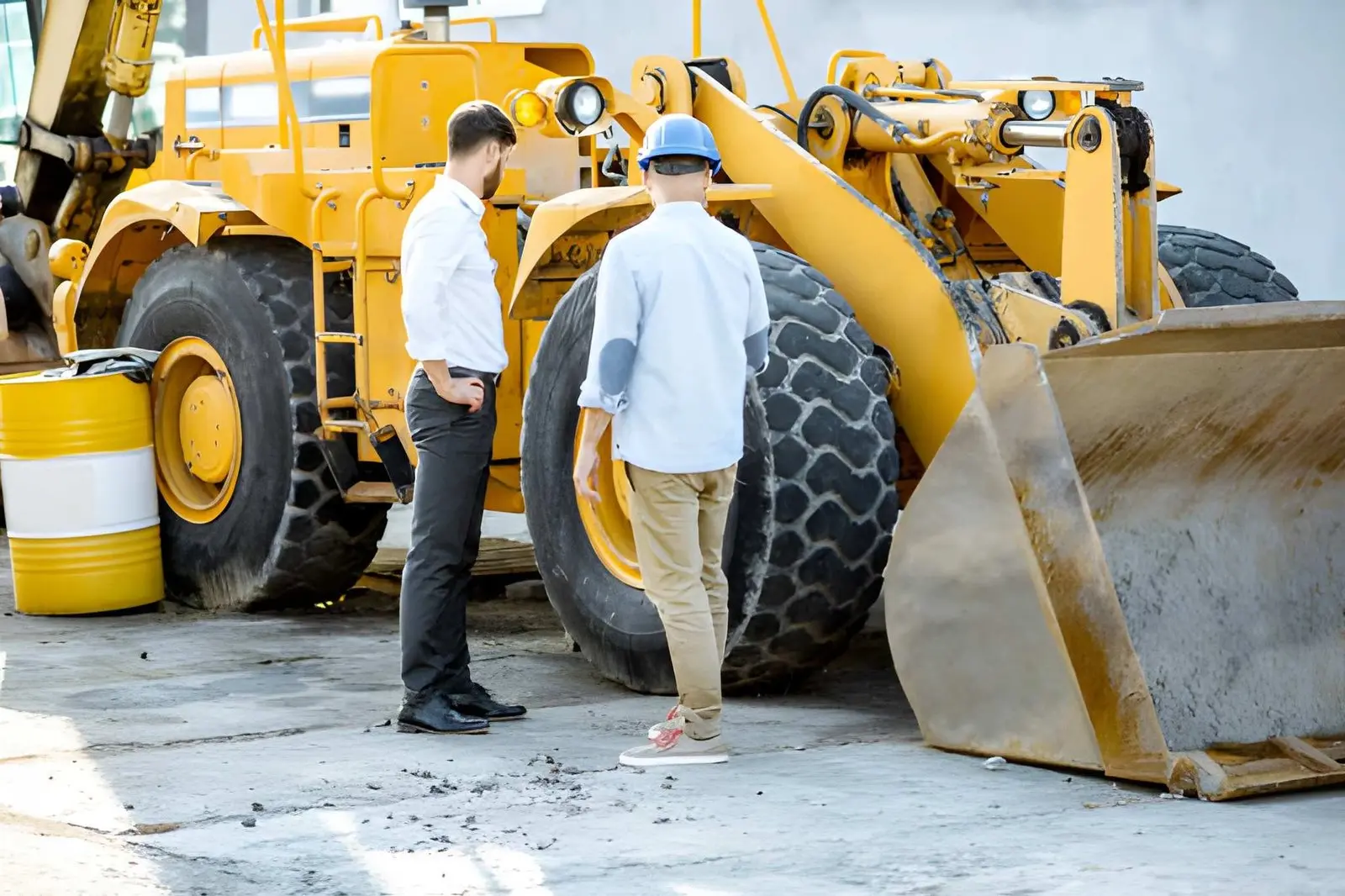
Purchasing your first piece of industrial or construction equipment marks a milestone experience. It marks growth and a step towards bigger things. However, without the right information, such an exciting venture can soon become a very expensive mistake. With so many mistakes that can easily be avoided due to lack of information, purchasing your first piece of equipment can cost you more than you thought.
In this guide, we have highlighted the most common mistakes made by people purchasing equipment for the first time and how to avoid these mistakes. Regardless of what equipment you choose, whether it be a telehandler, a concrete mixer, or any other equipment, these tips will help you save money for the future.
Key Points
Your choices when purchasing equipment could influence your project’s success, costs incurred, and overall business expansion.
- Never purchase equipment based on size but on your own project needs. Do not go for the most costly or the cheapest equipment.
- Estimate the Total Cost of Ownership (TCO) of the equipment by adding its costs such as maintenance, fuel, insurance, replacement parts, and the resale value.
- Compare several different machine models before you decide which one to purchase.
- Buy equipment from a reputable seller who can provide after-sales services.
- Plan your purchase for future business expansion rather than just current projects.
- Do not underestimate maintenance schedules and operator training.
- Pick machines that can do several applications for better returns.
- Think about financing options carefully to maintain good cash flow.
- Examine all machines thoroughly before purchase, especially used machines.
Why First-Time Buyers Often Make Costly Mistakes
The acquisition of heavy machinery is not an activity that companies undertake very often. Unlike daily expenses, the acquisition of heavy machinery requires significant expenditure and commitment.
Lack of experience tends to lead to confusion in the following aspects:
- Machinery specifications
- Capacity requirements
- Cost of operations
- Machinery maintenance
- Fuel consumption
- Warranty terms
- Availability of spare parts
- Versatility of the machinery
Most companies end up spending excess money on unnecessary features or machinery that does not fulfill their needs.
Let’s have a look at the common mistakes.
1. Purchase of Equipment Solely Based On The Cheapest Price Tag
The most common mistake novice purchasers commit is purchasing the least expensive piece of equipment possible. While budgeting is an essential part of the process, it is vital not to focus exclusively on the cost of acquisition.
Cheaper equipment may feature poor-quality components, need servicing more frequently, have low fuel efficiency, or require constant repairs. All these factors lead to additional spending that may easily surpass the savings made at the time of the purchase.
Also, inexpensive equipment may not have the same high resale value, which can make it harder to recover the initial investment when upgrading the fleet in the future.
How To Avoid The Mistake
Instead of comparing just the purchase price of machinery, look at the total cost of ownership. Some of the things to consider are:
- Fuel economy
- Maintenance costs
- Availability of spare parts
- Guarantees
- Estimated lifespan
- Output
- Resale value
A little more investment at the time of acquisition will bring you significant savings later on.
2. Not Clear on Your Project Requirement
Every project is unique, thus requiring different types of machines. Many first-time buyers end up with machinery without clearly understanding what work the machine would do.
For instance, buying a big excavator for a small-scale urban construction project can lead to difficulties moving around the area, increased fuel costs, and reduced maneuverability. On the other hand, choosing a smaller machine for large projects may slow production.
The same applies when choosing forklifts or telehandlers, which might lack proper lifting capabilities.
How To Avoid This
Before buying any machinery, ensure you are clear about:
- Types of project you will do
- Number of hours the machine will work each day
- Type of material to be loaded
- Condition of site
- Weather and terrain
- Space constraints
- Expansion plans in the future
It will help maximize productivity without incurring unnecessary operating costs.
3. Not Taking Account of the Quality of the Equipment and Its Build
Many customers get fascinated with good pricing or stylish equipment without considering the quality of their builds.
The machinery works in harsh conditions daily, and low-quality parts will wear out quickly, develop faults, suffer from hydraulic leaks, engine issues, and structural damage.
Good quality materials for building equipment, reliable hydraulic systems, strong undercarriage, durable frames, good engine manufacturers – all this makes the equipment last longer.
How to Avoid This
Spend some time analyzing the machine’s build quality.
Consider:
- Quality of steel frame
- Reliability of the hydraulic system
- Engine reputation
- Quality of welding
- Durable cabin
- Safety of the operator
- Standards of manufacturing
- Brand reliability
Customer reviews, product demonstrations, and the advice of experienced machinery specialists can be really useful.
Quality equipment works longer, more productively, consumes less fuel, and is easier to maintain.
4. Neglecting Maintenance Needs and Service Availability
While many first-time buyers tend to concentrate on the machine itself, they often forget what happens after its purchase. Any piece of heavy machinery needs regular maintenance to perform properly, and any machine will sooner or later need either service or spare parts. In case you have problems accessing maintenance services, even small problems can leave your equipment non-operational for days or even weeks.
Downtime can be considered one of the major hidden costs of owning equipment. Non-working equipment due to the unavailability of spare parts or an inability to find competent technicians can make you waste time on the project and incur additional labor costs.
How to Avoid This
Before buying any equipment, investigate the availability of maintenance and spare parts in your area. Find out from the supplier how often your machinery will need service and what maintenance expenses it can incur.
It is a good idea to choose a supplier that provides after-sales service and spare parts for your equipment.
5. Selecting the Wrong Equipment Size
Selecting the wrong machine size is yet another mistake that may reduce the machine’s productivity and increase its operating cost. While some beginners think that the bigger the machine, the more efficient it is, others simply buy the smaller machines as they are cheaper.
Both decisions may pose several problems. For instance, bigger machines may use more fuel, require larger transportation, and be hard to operate in small areas. In comparison, smaller machines may struggle with heavy-duty jobs, increasing the time needed for project completion and straining the machine.
How to Avoid This
Instead of assuming the needs of your projects, you should select the machines based on their real needs. For example, you should consider factors such as lifting capacity, digging capacity, load capacity, operating in the environment, and fit in the space.
If your business needs to handle various projects, you should look for machines capable of doing several jobs at once without being oversized for regular tasks.
6. Overlooking Fuel Efficiency
Fuel is one of the major recurring operating expenses of heavy machinery. As the buyer usually compares the cost of purchasing the machinery, he often ignores checking the equipment’s fuel consumption.
A machine that consumes more fuel over its lifetime becomes costly, even if it was less expensive at the beginning. Fuel costs add up very fast for any business using more machines.
Modern machines come with better engines, advanced hydraulic systems, and intelligent power management systems, which help them use less fuel without affecting performance.
How to Avoid This
Compare fuel efficiency before buying any machine. Inquire from suppliers about the machine’s fuel consumption rather than relying solely on the manufacturer’s claims.
Other considerations include:
- Eco mode of operation
- Automatic engine idling systems
- Hydraulic control systems
- Modern engines
- Emissions-reducing systems
Not only does efficient fuel consumption reduce operating costs, but it also enables you to run an environmentally friendly business.
7. Disregard for Operator Comfort and Safety Options
The efficiency of any machine depends not only on its engine and specifications but also on the operators themselves. However, most new buyers disregard operator comfort when comparing different pieces of equipment.
Uncomfortable operators are at risk of getting tired, being less attentive, and consequently reducing their efficiency.
Modern heavy equipment is designed with ergonomics in mind and helps operators work comfortably and productively during the whole day.
How to Avoid This
Before buying your machine, inspect the operator cabin and look for options like:
- Comfortable seating
- Air conditioning in the cabin
- Good all-round visibility
- Intuitive controls
- Monitoring displays
- Minimal noise and vibration
- Safety measures
- Rollover protection where needed
Efficient operators do not make many mistakes and maintain high productivity in tough conditions.
8. Ignoring the Warranty and Post-Sale Service
While most customers pay close attention to the technical features of machines, they often do not think about the type of support they will get after their purchase. An efficient warranty and post-sale service can save quite a lot of money if some issues appear unexpectedly.
The absence of a proper warranty makes even minor repairs very costly. Poor customer support results in delays in getting technical help.
How to Avoid This
Ask the following questions before you buy anything:
- Length of warranty
- Covered components
- Response times of the service
- Technical support
- Genuine spare parts
- On-site services
- Preventive maintenance
A responsible supplier proves the high quality of equipment by offering warranty and post-sale support.
9. Not Comparing Several Pieces of Equipment Before Buying
First-time buyers can get excited enough to buy the very first equipment that they see. Rushing into the buying process may lead them to miss out on other pieces of equipment with more advanced features, higher warranty levels, or even better long-term cost-effectiveness.
All manufacturers have strengths in technology, fuel efficiency, durability, lower maintenance costs, and high resale value. This is why it is always better for buyers to compare several options to see which one makes for the best investment.
How to Avoid This
First, take the time to learn about several machines before you finally choose the one you need.
Compare the following aspects of the equipment:
- Technical specifications
- Fuel efficiency
- Maintenance needs
- Operator-friendly features
- Safety technology
- Coverage of warranty
- Reputation of dealers
- Total cost of ownership
Ask for a demonstration of the machinery and talk to experienced operators or industry professionals to learn how the equipment works in the field.
10. Not Accounting for Future Expansion
One mistake first-time equipment purchasers tend to make is buying a machine that only meets the needs of the present project. Although this may seem like an economical approach at first glance, businesses have an unpredictable rate of growth, resulting in more extensive or varied projects down the line. The machine that once met your needs could become a hindrance, causing you to buy another machine much earlier than intended.
Planning ahead of time is crucial when making such a substantial purchase. The machinery should not only support your current business operations but also be adaptable enough to meet your future needs.
How to Avoid This
When selecting equipment, try thinking beyond your current projects and consider how the business will be in the following three to five years.
Consider questions such as:
- Will my project sizes be bigger in the future?
- Do I plan to venture into other fields?
- Will I need increased lift capacity or digging power?
- Is the machine capable of doing other applications?
- Will it allow other attachment accessories?
Choosing versatile, scalable equipment helps you maximize your investment while reducing the need
11. Not Considering the Equipment’s Resale Value
The moment comes for each piece of heavy equipment when it needs an upgrade or exchange. However, most beginners make the mistake of not considering the resale value at all, focusing only on the buying price.
Equipment from reliable companies is resold at better prices since people trust the quality and performance of those machines. Poorly maintained equipment or unknown brands tend to lose their value very quickly.
A good resale value of the machine means lower cost of ownership and future upgrades for the fleet.
How to Avoid This
Investigate the resale value of various brands and equipment types before your purchasing decision.
To protect the resale value of your machine:
- Adhere to the maintenance schedule.
- Keep service and repair history up to date.
- Always use genuine spare parts.
- Operate the machine carefully to avoid wear.
- Store it safely when not using it.
A well-maintained machine performs better during its operation and is more attractive to buyers when you decide to resell or exchange it.
Why Should You Choose Big Boss Machines?
Buying heavy equipment isn’t just about choosing a machine; it’s also about getting a partner that helps you every step of the way. At Big Boss Machines, we know how hard it is for newbies to buy machinery, and we offer advice to help you decide with confidence. Here’s why businesses across the UAE trust Big Boss Machines:
A Wide Choice of Quality Equipment
Whatever project you want to undertake, be it an excavator, bulldozer, wheel loader, skid steer loader, forklift, telehandler, air compressor, lighting tower, or any other construction machinery, we’ve got you covered!
Trustworthy Manufacturers
At Big Boss Machines, we deliver high-quality machinery from trusted brands who guarantee durability and operational reliability.
Professional Advice on Buying Machinery
The expert team at Big Boss Machines helps customers learn what machinery is necessary for their projects and provides professional recommendations on what to buy.
After-Sales Support
Big Boss Machines will not leave you in the dark even after the purchase of equipment; we will continue providing professional help if needed.
Competitive Pricing & Excellent Value
Big Boss Machines provides competitive pricing alongside top-tier machines to give our clients excellent value without sacrificing performance and efficiency.
Service Oriented Towards the Customer
We focus on creating lasting partnerships through truthful and personalized advice and communication to make buying machinery as easy as possible, whether you’re buying your first or upgrading an existing fleet.
Whether it’s your first machine or an upgrade, Big Boss Machines will help you invest in the right machinery to increase your productivity.
Final Thoughts!
Getting heavy equipment for the first time is an important step in the development of your company. Although this step might seem difficult, avoiding certain pitfalls could save you from a costly experience.
Instead of concentrating only on the purchase cost, you should evaluate your needs in terms of project requirements, equipment quality, operating economy, maintenance, warranty, and operational costs. Taking into account your business development plans, future resale, and finding a good supplier will also be an important part of the purchase process.
The best equipment is not necessarily the one that costs the least; it’s the one that will work reliably, meet your needs, give minimum downtime, and bring you maximum profit in the long term. With a little preparation and professional consultation, first-time buyers can make the right purchase decisions.
Frequently Asked Questions!
The major mistake made by first-timers is concentrating on the cost of equipment acquisition alone and ignoring other crucial factors like fuel usage, maintenance expenses, availability of replacement parts, depreciation of the equipment, and post-sale customer service.
Assessing your project’s needs in terms of workload, ground conditions, type of materials used, lifting capabilities, operating hours, and space is important when selecting an appropriate machine.
Good customer service reduces equipment downtime by providing maintenance services and replacement parts, helping extend the life of the machine.
No, not necessarily. The most suitable machine is the one that matches your work needs and working conditions. Using oversized machines may increase fuel and transportation expenses, as well as maintenance costs, while using undersized ones may negatively affect your production.
You can lower the cost of owning equipment through fuel savings, adherence to maintenance plans, use of quality spare parts, proper operator training, and buying machinery only from reliable vendors.
Yes, because a high resale value lowers the cost of owning equipment and makes future upgrades to the equipment fleet easier.